Huai River
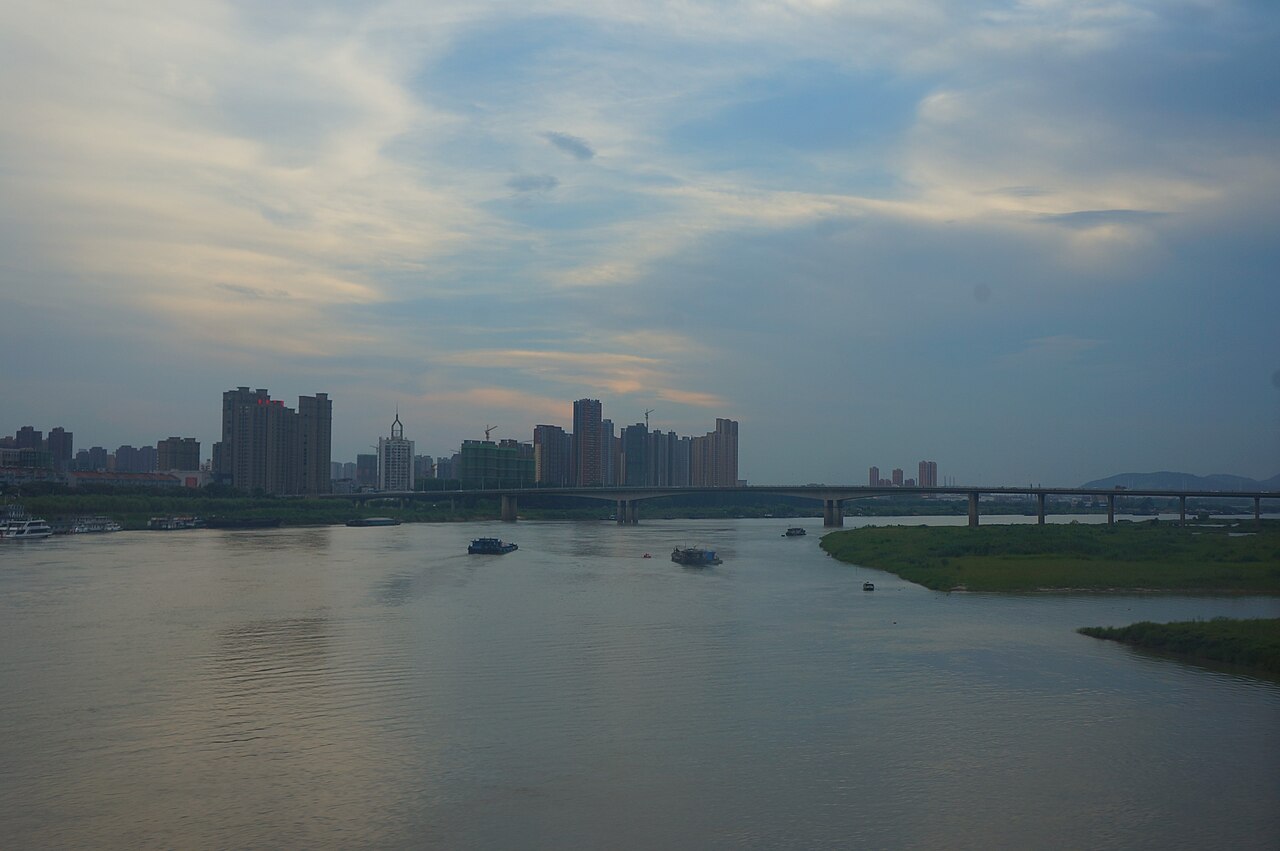
The Huai River, formerly romanized as the Hwai, is a major river in East China, about 1,110 km (690 mi) long with a drainage area of 174,000 km2 (67,000 sq mi). It is located about midway between the Yellow River and Yangtze River, the two longest rivers and largest drainage basins in China. Historically draining eastwards directly into the Yellow Sea, erosion from floods have changed the course of the river such that it now primarily discharges into the Yangtze. The Huai River is, to this day, notoriously vulnerable to flooding.
The Qinling–Huaihe Line, formed by the Huai River and the Qin Mountains, is sometimes regarded as the geographical dividing line between northern and southern China. This line approximates the 0 °C (32 °F) January isotherm and the 800 millimeters (30 in) isohyet in China.
What You'll Get

Taishang Huang
In Chinese history, a Taishang Huang or Taishang Huangdi is an honorifi…
Silla
Silla was a Korean kingdom that existed between 57 BCE and 935 CE and w…
Taoism
Taoism or Daoism is a philosophical and religious tradition indigenous …
Leshan Giant Buddha
The Leshan Giant Buddha is a 71-meter (233 ft) tall stone statue, built…
Yellow Sea
The Yellow Sea (simplified Chinese: 黄海; pinyin: Huáng Hǎi), also kno…
Huai River
The Huai River, formerly romanized as the Hwai, is a major river in Eas…
Western Turks
The Western Turkic Khaganate (Chinese: 西突厥; pinyin: Xī Tūjué) or O…
Yue Jue Shu
Yuejueshu 越絕書 "End of the kingdom of Yue" is a history of …
Sancai
Sancai (Chinese: 三彩; pinyin: sāncǎi) is a versatile type of decorat…
Yangtze River
The Yangtze River, Yangzi River or Chang Jiang (simplified Chinese: 长江…